Capic Mixing Tilting Kettles Overview
The Capic Mixing & Tilting Kettle range provides a reliable and efficient solution for large scale food preparation, combining cooking and continuous mixing in a single professional system. Designed to simplify batch production, Capic Mixing Kettles are suited to a wide variety of applications including soups, sauces, stews, creams, fillings, purées and other prepared foods, making them a valuable addition to high volume commercial kitchens.
Engineered for demanding production environments, Capic Mixing Kettles provide controlled heating and consistent agitation to help maintain even cooking throughout the vessel. The integrated mixing system reduces the need for manual stirring while helping prevent sticking, scorching and uneven cooking, delivering consistent results across every batch. Their robust construction and professional design are built to withstand the demands of continuous commercial use.
From hospitals, aged care and institutional kitchens to hotels, restaurants, catering operations and food production facilities, Capic Mixing Kettles can support a broad range of high volume preparation requirements. Their ability to cook and mix large quantities efficiently makes them particularly well suited t bulk meal production and recipes requiring regular agitation throughout the cooking process.
Available in a range of capacities and configurations, the Capic Mixing Kettle range provides scalable solutions for kitchens with different production requirements. Combining high volume cooking, controlled mixing, dependable performance and efficient operation, Capic Mixing Kettles are designed for streamline preparation while helping professional kitchens achieve consistent results batch after batch.
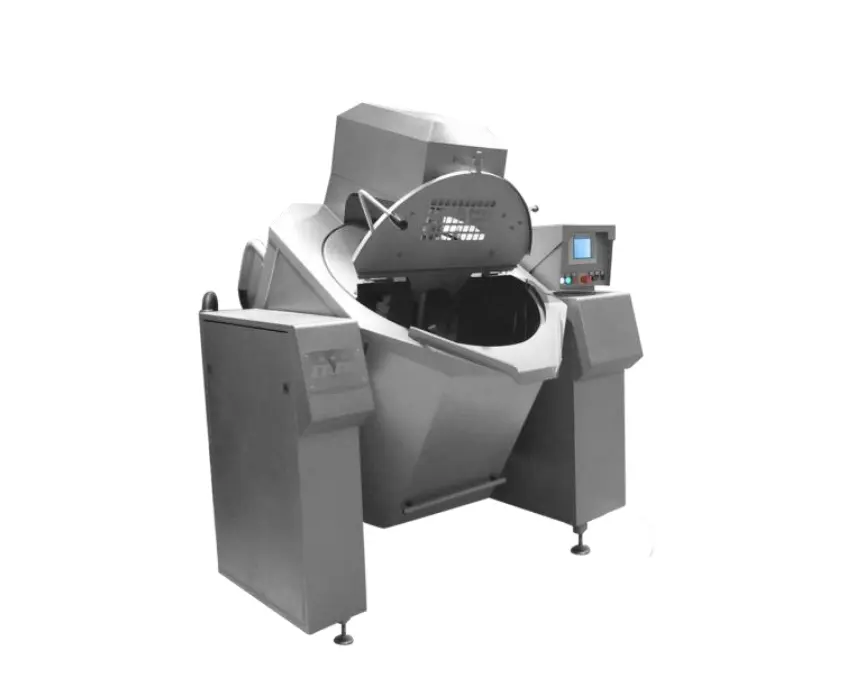
W237050
A powerful mixing kettle designed for high volume production, providing efficient heating and thorough agitation for consistent, reliable batch cooking.
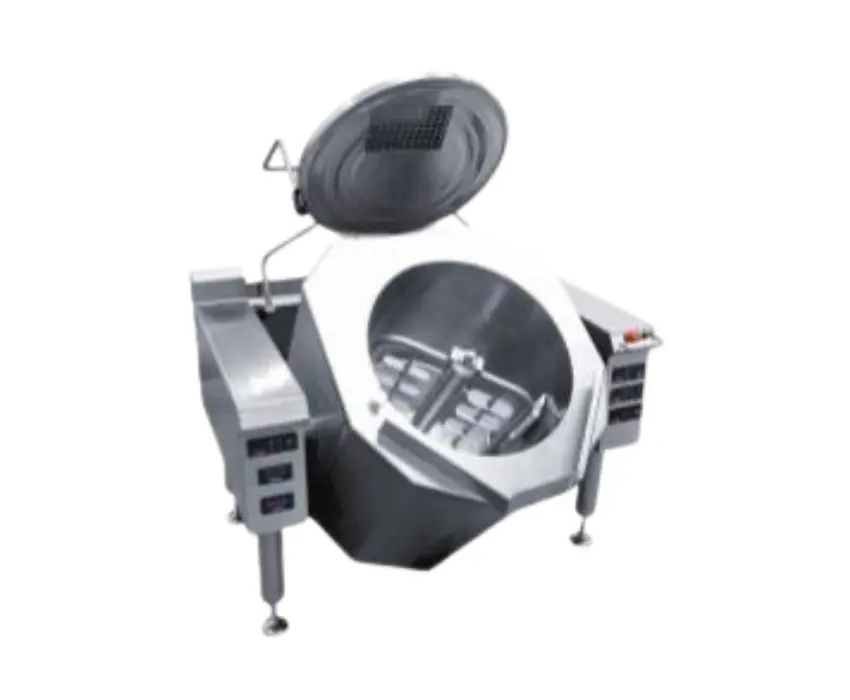
W296208
A high performance mixing kettle designed for consistent batch production, combining efficient heating with thorough agitation to support reliable commercial cooking.
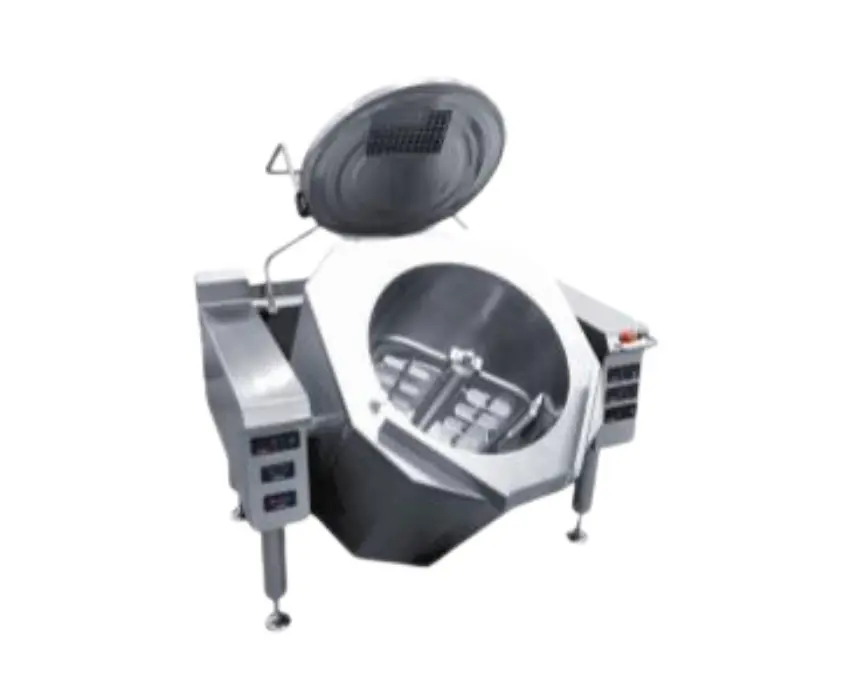
W296215
A practical mixing kettle designed for efficient batch preparation, combining controlled heating with consistent agitation for dependable commercial performance.
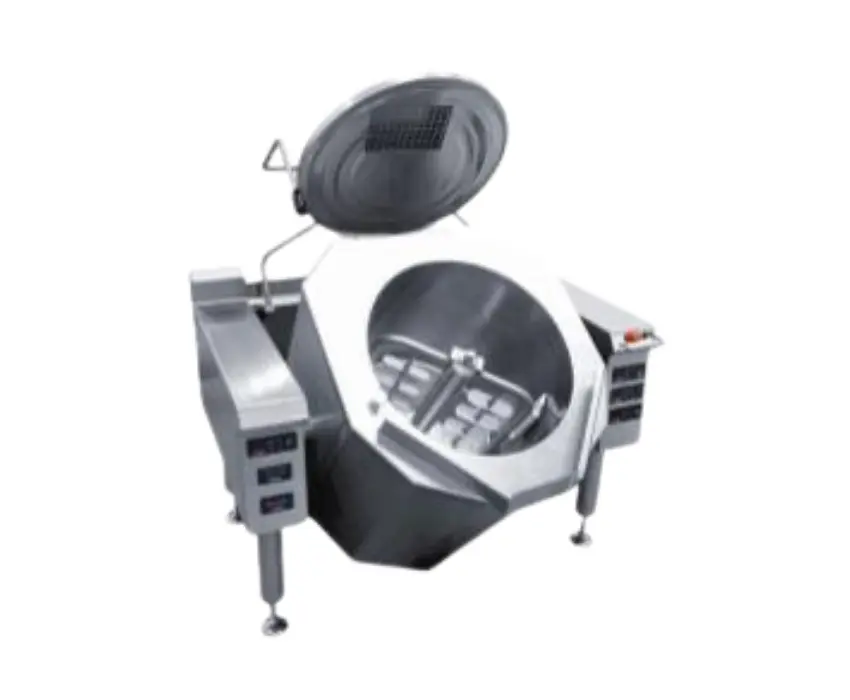
W296207
A reliable mixing kettle built for efficient commercial production, delivering controlled heating and smooth, consistent mixing across every batch.
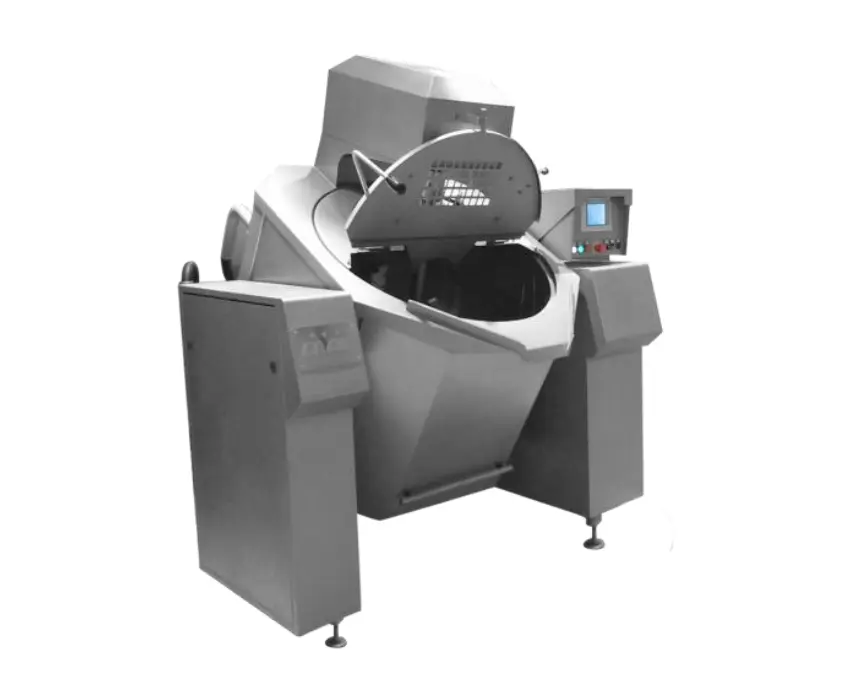
W237052
A high capacity mixing kettle built for demanding production environments, delivering efficient heating and consistent agitation across large volume batches.
Capic Mixing Kettles FAQ's
When choosing a commercial mixing kettle, consider the capacity, heating performance, mixing capability and the types of food you need to produce. A well designed mixing kettle should provide consistent heating and controlled agitation while being easy to operate, clean and maintain. It is also important to consider the available space, batch sizes, production volumes and whether the equipment can accommodate different recipes and cooking processes.
A mixing kettle combines controlled heating with mechanical mixing, helping to maintain a more consistent product throughout the cooking process. Compared with a standard cooking kettle that may require manual stirring, a mixing kettle can reduce the need for operator intervention while helping minimise sticking, scorching and uneven cooking. This makes it particularly useful for sauces, soups, creams, filings and other products that require regular agitation during production.
Continuous mixing helps distribute heat and ingredients more evenly throughout the batch. By keeping the product moving during cooking, it can reduce hot spots and help maintain a more uniform temperature and texture. This supports repeatable results from batch to batch, which is particularly important in commercial kitchens where consistency and product quality are essential.
Yes. One of the key advantages of a mixing kettle is its ability to automate the stirring or mixing process during cooking. This reduces the need for staff to continuously monitor and manually agitate the product, allowing operators to focus on other preparation tasks while the kettle maintains controlled mixing throughout the cooking cycle.
Combining cooking and mixing in one piece of equipment streamlines the production process by allowing heating and agitation to take place simultaneously. This can reduce manual handling, improve consistency and make better use of valuable kitchen space. It also provides greater control over recipes that require continuous mixing while cooking, helping operators achieve reliable results with less intervention.
The mixing system should be suited to the products and batch sizes you intend to prepare. Look for controlled and consistent agitation, a mixing action that reaches the product effectively and a design that supports easy cleaning and maintenance. It is also worth considering how easily the mixing system can be adjusted or controlled to suit different recipes and cooking equipments.
Yes. Mixing kettles can be well suited to hospitals, aged care facilities, schools and other institutional kitchens where large quantities of food need to be prepared consistently and efficiently. Their ability to combine cooking and mixing can help reduce manual stirring and operator workload while supporting repeatable results across batches. Depending on the application, they can be used for products such as soups, sauces, purees, gravies and other bulk prepared foods.
For high volume food production, a mixing kettle can offer significant advantages over conventional cooking equipment, particularly when recipes require regular or continuous stirring. Combining heating and mixing in one system can streamline production, reduce manual intervention and support more consistent batch results. The right choice will depend on the required capacity, product type, production volumes and available kitchen space, but mixing kettles can be an effective solution for kitchens producing large quantities on a regular basis.